
Buy Guide
Modern Dog Houses: The Complete Guide to Stylish, Functional Outdoor Shelters
Jul
Modern Dog Houses: The Complete Guide to Stylish, Functional Outdoor Shelters
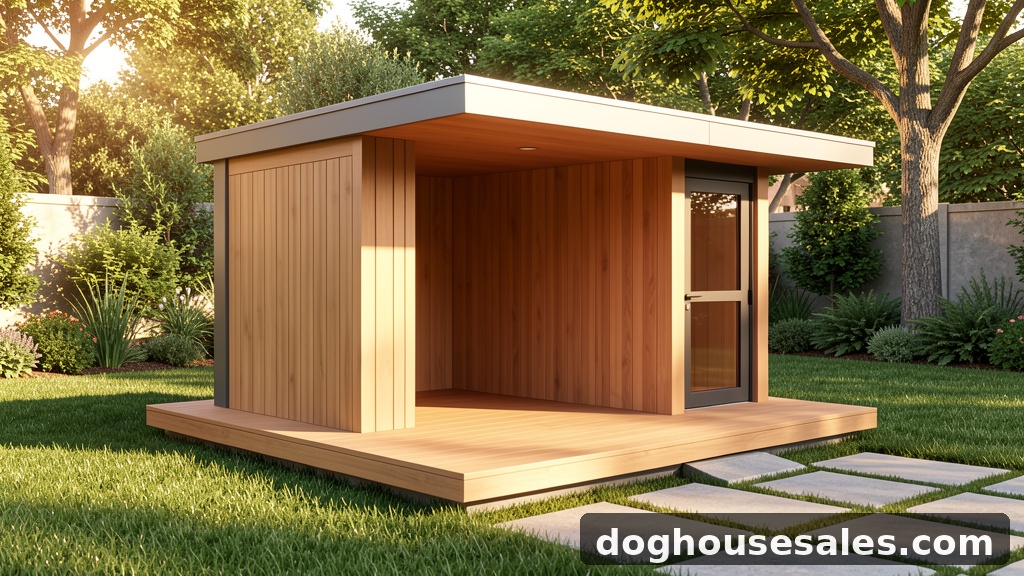
A modern dog house is an outdoor shelter that takes cues from contemporary home design: clean lines, better materials, and features that actually help regulate temperature and airflow. It’s not the wooden box your grandpa built in the 70s. These things are designed to look like they belong in your yard while keeping your dog dry, cool, and comfortable.
If you’ve been looking for a dog house that doesn’t stick out like a sore thumb, you’re not alone. More owners are picking modern designs that blend with their patio furniture and landscaping. Whether you need solid wood that’ll last a decade or a lightweight metal model you can hose out on Sunday, the right modern dog house makes a real difference in how your yard looks and how your dog uses it.
What Makes a Dog House “Modern”?
The roof is usually flat or just slightly sloped instead of the classic A-frame. Materials tend toward powder-coated steel, treated wood with smooth finishes, or weatherproof composites. Most have elevated floors for airflow, removable roofs for cleaning, and adjustable vents. The whole idea is form and function working together without one shouting over the other.
Getting the Size Right
Size matters more than anything else. Too small and your dog can’t move around and the heat builds up. Too big and they can’t hold their body heat in cold weather. We have a detailed guide on choosing the right dog house size if you want the full breakdown. But the short version: aim for a house where your dog can stand up, turn around, and lie down flat without scrunching.
| Dog Weight | Min Interior Width | Min Interior Depth | Door Size (approx.) |
|---|---|---|---|
| Up to 25 lbs | 18 in | 18 in | 10 x 12 in |
| 26 to 50 lbs | 24 in | 24 in | 12 x 16 in |
| 51 to 75 lbs | 30 in | 30 in | 14 x 18 in |
| 76 to 100 lbs | 36 in | 36 in | 16 x 20 in |
| Over 100 lbs | 42 in | 42 in | 18 x 24 in |
Measure your dog from nose to tail and multiply by 1.5 for interior length. Door height should be about 3 to 5 inches taller than your dog’s shoulder. That should get you close enough that a little smaller or bigger won’t matter much.
Solid Wood vs. Metal vs. Plastic
Solid Wood
Solid wood is the longest lasting option if you maintain it. Cedar, treated pine, and fir are the usual picks, with cedar being naturally resistant to bugs and rot. A well-built wood dog house with a sloped roof and raised floor can go 8 to 12 years before needing major work [needs source].
The downsides are weight and price. Wood houses are heavier than metal or plastic, and they cost more. But they insulate better in both summer and winter. If you live somewhere with real seasons, wood is worth the extra money. Check out our guide to choosing the best wood dog house for more details on specific models.
Metal
Powder-coated steel houses are light, rust resistant, and easy to clean. They cost less than wood and still look clean and modern. Most have a flat roof and raised floor for airflow.
The catch is temperature. Metal gets hot in direct sun and doesn’t hold warmth in winter. Put it in a shaded spot and add a dog bed or elevated cot, and it works fine for most of the year. Browse our metal dog house collection to see available options.
Plastic / Resin
Rotomolded plastic houses are the cheapest option. They don’t rot, rust, splinter, or need painting. Most have built-in vents and hose out in about 30 seconds.
The tradeoff is that plastic can get brittle in extreme cold and might crack if you have a large, high-energy dog who throws himself around. For small to medium dogs in mild climates, they’re perfectly fine.
Features Worth Paying For
Removable roof. Being able to lift the whole top off makes cleaning and airing out the interior drastically easier. This is the feature I’d prioritize over almost anything else.
Elevated floor. Keeps moisture from seeping up from the ground and improves air circulation. Non-negotiable for outdoor use.
Adjustable vents. Windows or vent panels you can open or close depending on the weather. Good airflow stops condensation and keeps the inside from getting stuffy.
Pet-safe finishes. Some cheap dog houses use paint with lead or VOCs. Make sure whatever coating is on there won’t hurt your dog if they chew on a corner.
Weatherproof construction. Sealed seams, an overhanging roof, and treated materials keep rain out. The interior should stay dry even in a downpour. Read our guide on weather-resistant dog houses by location for climate-specific recommendations.
Modern Indoor Dog House Option
If you prefer keeping your dog inside but still want the clean, furniture-style look, an indoor modern dog house might be a better fit. The PETMAKER Indoor Dog House Bed with Soft Cushion is a solid wood option that works well in living rooms and bedrooms. It has air vents, a soft cushion inside, and comes in a clean white finish that fits most modern interiors. It’s rated for small to medium pets up to 80 lbs.
For a larger outdoor option, the 51-Inch Large Dog House with Weatherproof Roof includes a built-in dog bowl stand and anti-bite construction. It’s designed for medium to large breeds and is easy to assemble.
Where to Put It
Placement matters more than people think. Face the entrance away from the prevailing wind. In most of the US that means pointing the door south or east. Set it on level, well-drained ground. Gravel or paving stones underneath keep mud and standing water from becoming a problem.
In summer, put it where it gets afternoon shade. Under a tree or against the house works. In winter, angle it to catch sunlight. A few degrees of adjustment can make the inside noticeably warmer. For more on this, see our guide to insulating a dog house for winter.
Keeping It in Good Shape
Clean the inside weekly during heavy use. Pull the bedding, sweep out the dirt, and wipe surfaces with a pet-safe cleaner. Check for cracks, rust spots, or loose fasteners once a month. Catching small problems early beats rebuilding the whole thing later. Reapply waterproof sealant on wood models every 12 to 18 months. For metal houses, touch up chipped coating right away before rust spreads.
Frequently Asked Questions
Can my dog sleep in a modern dog house overnight?
Yes, as long as it’s properly sized and suited to your climate. Add bedding and insulation for overnight use, especially when it drops below 40 degrees Fahrenheit.
Do modern dog houses need extra insulation?
They help in extreme climates. Solid wood ones already insulate decently on their own. For metal or plastic houses, you can add foam panels or reflective barriers to improve things.
How do you clean one of these?
Pop the roof off or open the door all the way, take out the bedding, sweep or vacuum, then wipe down with mild soap and water. Rinse well and let it dry before putting the bedding back.
How much does a modern dog house cost?
Entry-level plastic or small metal models start around $80 to $150. Mid-range wood or larger metal houses run $200 to $450. Premium cedar or extra-large designs can go from $500 to over $1,000.
Wrapping Up
A modern dog house is a practical investment if you keep your dog outdoors for any length of time. Pick the right size, the right material for your climate, and somewhere sensible to put it, and it’ll serve both of you for years.
Start by measuring your dog. Then think about your weather and how much maintenance you’re willing to do. Browse our full collection of dog houses to see what’s available, or check out the large dog houses if you have a bigger breed. A well-chosen dog house makes your yard look better and gives your dog a space that’s actually theirs.
