
Buy Guide
Find the Right Indoor Dog House Dimensions in 2026
Sep
I once bought a doghouse that was too small for my dog. My dog refused to enter. That mistake taught me the importance of indoor dog house dimensions. How do you find the right dog house size? I use a simple three-step measuring method. I call it A, B, C. Then I apply proven ratios. This gives you the ideal dog house size. You will learn exact numbers. No more guessing the size. Your dog will thank you for the perfect fit. This method works for every breed. I have used it for years. You can trust it. I will guide you through each step. The process is quick and accurate. You will never buy the wrong size again. Let me show you how.
The A-B-C Method for Accurate doghouse dimensions
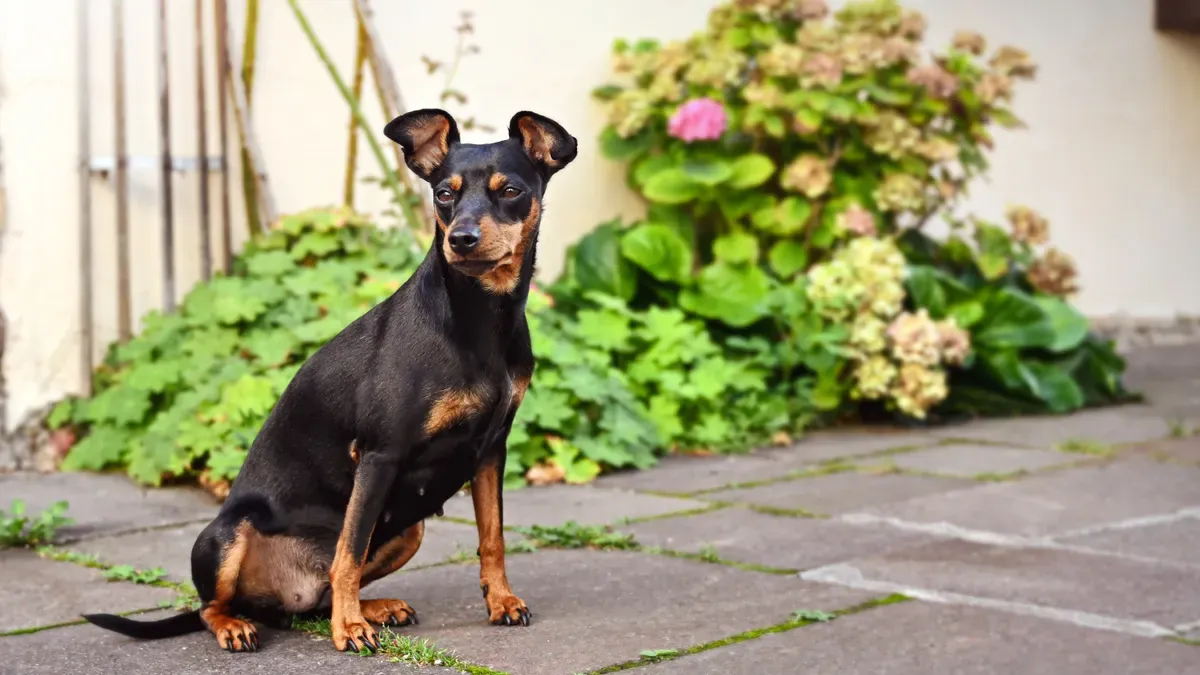
Before you shop, grab a flexible measuring tape. You need two key measurements from your dog. These two numbers drive every calculation for the perfect indoor dog house. I call this the A-B-C method because it is simple to remember. Measure once, write the numbers down, and keep them in your phone. You will use them again for every future purchase.
A – Nose to Flank
Start with measurement A. Place the tape at the tip of your dog’s nose. Run it along the side of the body to the base of the flank. The flank is the area just behind the ribs, where the belly curves upward. Do not include the tail. The tail adds nothing to the space your dog needs to stretch out. This length determines the width and depth of the house.
For example, a Beagle typically measures about 18 inches from nose to flank. A Labrador Retriever often reaches 24 to 26 inches. Your own dog may differ from these averages. Every dog is unique. That is why you measure your own pet instead of trusting a breed chart alone. Write this number down as measurement A. You will multiply it later to find the correct floor space.
B – Standing Height
Measurement B is simpler. Ask your dog to stand on a flat surface. Hold the tape from the floor to the top of the head, between the ears. This number tells you how much vertical space your dog needs. I use this measurement for the ceiling height of the house.
Consider the German Shepherd as an example. Standing height varies by gender:
| Gender | Standing Height Range |
|---|---|
| Male | 28.5″ – 31″ (72-79 cm) |
| Female | 26.5″ – 28.5″ (67-72 cm) |
A male German Shepherd at the lower end stands 28.5 inches tall. A female at the upper end reaches 28.5 inches as well. The average for the breed lands near 27.5 to 29.75 inches. Your dog might stand taller or shorter. Measure your own pet to get the true number. Record this as measurement B. These two figures, A and B, form the foundation for every doghouse dimensions calculation that follows. With them, you can determine the correct size for any breed. No more guessing. No more wasted money on a house your dog ignores.
Applying the 1.25 Rule for indoor dog house Height
Now we look at the vertical dimension. Measurement B gives us the standing height. This number helps us find the ceiling height, no matter the house size. I multiply B by 1.25 to get the minimum house height. I multiply B by 1.5 to get the maximum. House height means the space from the floor to the roof peak. This peak matters because dogs naturally stand under the highest point.
Minimum and Maximum Height
Let me show you a clear example. Say your dog stands 20 inches tall at the top of the head. Multiply 20 by 1.25. You get 25 inches. That number is your minimum ceiling height. Now multiply 20 by 1.5. You get 30 inches. That number is your maximum ceiling height. Any house between 25 and 30 inches tall will work well for your pet.
Why does this range work? The 1.25 multiplier gives your dog enough room to sit up straight without hitting the ceiling. The 1.5 multiplier adds extra space while keeping the cozy feel. I always suggest aiming for the middle of this range. A house at 1.35 or 1.4 times the standing height offers comfort without extra space. You can adjust within the range based on your pet’s needs.
Why Not Too Tall?
You might ask why we stop the height at 1.5 times standing height. The answer comes from dog behavior. Dogs naturally look for enclosed spaces for safety. A den-like space makes them feel secure. When a house is too tall above the animal, that den feeling goes away. The space feels open and exposed, not protective. A house more than 50 percent taller than your dog defeats the purpose of an indoor shelter.
The opposite issue happens when the house is too low. A house that is less than 25 percent taller than the animal’s standing height causes real problems:
- Physical consequence: The pet feels cramped and cannot sit up easily. The low ceiling forces the animal to bend or lie flat all the time.
- Psychological consequence: The tight space makes the canine feel trapped. This feeling can lead to anxiety or behavior problems over time.
I have seen pets refuse to enter houses that felt too small. They would rather sleep on the cold floor than squeeze into a space that made them uneasy. The right height stops this refusal. Your dog should enter the house willingly and settle down without worry.
The proper height also helps keep joints healthy. An animal that always bends inside its house may get stiff over time. Older canines especially need enough room to stand and turn around. The 1.25 multiplier protects their comfort.
Remember that the roof peak measurement matters. Many dog houses have sloped roofs. The inside height changes from the walls to the center. Measure from the floor to the highest inside point. That number must meet your minimum need. The canine will naturally stand under the peak when upright.
Getting the height right turns the indoor dog house from a simple box into a true safe space. Your pet will use it every day. The correct size prevents wasted money and upset animals. Take time to measure carefully. Your effort pays off in years of happy use.
Determining Width and Length for Your indoor dog house
Now we tackle the floor plan. Measurement A, the nose-to-flank length, drives these calculations. This number determines both the width and the length of the interior space. Many people confuse these two dimensions. Width spans the space from left to right when your dog faces the entrance. Length runs from the door to the back wall. Both dimensions matter equally for comfort.
Nose-to-Flank Rule
The nose-to-flank rule states that the interior width and length should match your dog’s measurement A. I take the number I recorded earlier and use it as the baseline for both dimensions. A dog with an 18-inch nose-to-flank measurement needs a house that is at least 18 inches wide and 18 inches deep. This space allows the animal to lie down comfortably without scrunching its body.
Why do we exclude the tail from this calculation? The tail does not require floor space when your pet rests. A curled tail tucks against the body naturally. A straight tail hangs off the edge without causing discomfort. Including the tail would create wasted space that makes the house feel less den-like.
Breed standards give us a helpful reference point. I compare my dog’s measurement against typical shoulder heights for the breed. The table below shows common breeds and their expected shoulder heights:
| Dog Breed | Shoulder Height (inches) |
|---|---|
| Poodle, toy | up to 10 |
| Scottish Terrier | 10 |
| Poodle, miniature | 10 to 14 |
| Beagle | under 13, up to 15 |
| Shetland Sheepdog | 13 to 16 |
| Fox Terrier | 15 to 16 |
| American Cocker | 15 to 16 |
| Poodle, standard | 15 to 16 |
| Dalmation | 20 to 23 |
| Boxer | 22 to 24 |
| Collie | 22 to 24 |
| Retrievers | 22 to 25 |
| German Shepherd | 22 to 26 |
| Old English Sheepdog | 22 |
| Airedale | 23 |
| Doberman | 25 |
| St. Bernard | 25 to 28 |
| Newfoundland | 26 to 28 |
| Great Dane | 28 to 30 |
| Russian Wolfhound | 28 to 31 |
These shoulder heights help me estimate the overall frame of a breed. A taller shoulder usually means a longer body. I still measure my own pet for accuracy. Breed charts serve as a starting point only.
Maximum 25% Larger
The nose-to-flank measurement gives the minimum floor space. I can add up to 25 percent more for comfort. This extra room accommodates dogs that stretch out while sleeping. It also helps larger breeds turn around inside the house without bumping the walls.
Let me walk through an example. Suppose my dog measures 20 inches from nose to flank. I multiply 20 by 1.25 to get 25 inches. My ideal interior width and length fall somewhere between 20 and 25 inches. I aim for the middle of that range when possible. A 22- or 23-inch floor dimension offers a balanced feel.
For small and medium dogs under 40 pounds, I target an interior space around 2.5 feet. This size works well for breeds like Beagles, Cocker Spaniels, and Miniature Poodles. These dogs need enough room to stretch but prefer a snug environment. Larger dogs follow the 25 percent rule instead. A Great Dane with a 36-inch nose-to-flank measurement needs up to 45 inches of floor space.
I avoid exceeding the 25 percent maximum. A house that is too large loses its cozy appeal. The animal may choose to sleep outside the structure because the interior feels exposed. The right size creates a secure retreat that your pet will use daily.
The correct floor dimensions also protect your investment. A properly sized house lasts for years. An oversized house wastes space in your home. An undersized house causes discomfort and refusal. Measure carefully and choose within the recommended range.
Size Charts for Doghouse Dimensions
I have put together common sizes for popular dog breeds to help you get started. These charts show typical sizes for indoor dog houses. Remember that every dog is different from the average. Use these numbers as a guide, not a final answer. Your own measuring tape is always more important than any chart.
Small Breeds Under 20 lbs
Small dogs need less floor space, but they still need enough room to stretch and turn. I found a helpful guide from an indoor dog house made for small pets. The maker lists two different sizes for different weight groups.
| Size (inches) | Weight Limit (lb) |
|---|---|
| 16 x 13 x 14 | under 7.72 |
| 18 x 15 x 16 | under 17 |
The smaller size works for toy breeds like Yorkies or Maltese. The larger size fits a Chihuahua or Pomeranian well. For a Chihuahua, I suggest a kennel length between 18 and 24 inches. This range gives the dog enough room to lie flat without feeling lost in a big space.
I always check the inside height too. A small dog that stands 10 inches tall needs a ceiling at least 12.5 inches high. The 16-inch height in the larger option gives a cozy space above that limit.
Medium and Large Breeds 20–100+ lbs
Medium and large breeds need more careful planning. I found detailed specs for Retrievers, which includes Golden Retrievers with shoulder heights of 22 to 25 inches. The maker lists each part of the house separately.
| Doghouse Component | Dimension for Retrievers |
|---|---|
| Sleeping Area | 22” x 39” |
| Hall Area | 14” x 22” |
| Combined Area (Sleeping & Hall) | 22” x 53” |
| Ceiling Height | 30” |
| Doorway | 11” Square |
| Roof / Platform | 38” x 78” |
The combined sleeping and hall area is 53 inches long. This size fits a Golden Retriever’s full body stretch. The 30-inch ceiling matches my earlier height rule for a dog that stands about 24 inches tall.
These dog house sizes by breed give you a good starting point. I still measure my own dog before buying. The charts help me narrow my choices, but the tape measure gives the final answer. I use the same logic for dogs of all sizes, from tiny Chihuahuas to huge Great Danes. Each dog deserves a space that fits its own body. Take these reference numbers, measure your own pet, and pick with confidence.
Additional Factors for a Perfect Fit
Age and Growth
I always consider age when I pick a house. A puppy will not stay small forever. Measuring a growing puppy today gives you the wrong answer. I recommend measuring the parents instead. If you do not have access to the parents, ask your veterinarian for a growth estimate. Choose a house that fits the adult dog’s projected size. The 1.25 height rule still applies. The nose-to-flank width rule still applies. You just use the adult numbers instead of the puppy numbers. Your pet will grow into the house over time. A house that fits the adult dog prevents a second purchase later. I have seen owners buy a small house for a puppy. The puppy outgrows it in six months. That mistake costs money and time. Measure for the adult animal from the start. Your pet will have a comfortable home for years. A puppy that grows into a 50-pound adult needs a much larger house than a puppy that stays at 10 pounds. Plan ahead for the final dimensions.
Sleeping Position
I also watch how my pet sleeps. The sleeping position changes the ideal measurements. A study shows that 84.2% of dogs sleep stretched out on their side. That means most pets need extra length in their house. These animals do not curl up in a tight ball. They spread out fully. They need the length closer to the 25% larger end of the range. I follow the nose-to-flank rule and add extra space for these animals. The extra room allows them to stretch without hitting the wall. A pet that curls up can use the smaller end of the range. That animal does not need as much floor space. Watch your pet sleep for a few nights. See which position your pet uses most often. Choose the size based on that habit. The right dimensions make your pet feel safe and comfortable. Your pet will use the house every day. I recommend checking your pet at different times of the night. Some pets change positions as they sleep. The stretched position happens most often during deep sleep. Plan for the longest position your pet uses.
Finding the right indoor dog house comes down to three simple steps. First, measure your dog from nose to flank. Second, record standing height. Third, apply the proven ratios. Multiply standing height by 1.25 to 1.5 for ceiling height. Use nose-to-flank plus up to 25 percent for width and length. These calculations reveal the ideal dog house size for your pet.
Size charts serve only as starting points. Individual measurements always win. Grab your measuring tape today. Measure your dog carefully. Shop with confidence knowing the numbers work. Your dog will thank you for the perfect fit. Leave a comment below if you need personalized advice for your breed.
FAQ
What if my measurements fall between two house sizes?
Choose the larger option. A house that exceeds the 25 percent maximum feels less cozy. Still, a cramped space causes more problems. Your pet needs room to stretch and turn. The larger size keeps your dog comfortable and willing to use the house daily.
Should I buy a bigger house for my growing puppy?
Measure the adult size, not the puppy size. Ask your veterinarian for a growth estimate if you cannot measure the parents. Buy a house that fits the full-grown animal. This approach saves money and prevents a second purchase. Your puppy will grow into the space naturally.
Does the doorway width matter for my pet?
Yes, the entrance needs enough clearance. Your pet should walk through without ducking or squeezing. Measure your pet’s chest width at the widest point. Add two inches for comfort. A narrow doorway makes the house feel unwelcoming. Your pet may refuse to enter at all.
How do I know if the house feels too big?
Watch your pet’s behavior. A dog that sleeps outside the house or seems restless inside may find the space too open. Reduce the usable area with a soft bed or divider. The goal is a den-like retreat. Your pet should settle quickly and rest peacefully.
