
Buy Guide
The Complete Guide to Choosing an Indoor Dog House for Your Home
Jun
The Complete Guide to Choosing an Indoor Dog House for Your Home
So you’re shopping for an indoor dog house. You want something your dog will actually use, and ideally something that doesn’t make your living room look like a pet store exploded. Fair enough.
Indoor dog houses aren’t the same as outdoor kennels. They need to match your decor, fit in a room, and still give your dog the cozy den they naturally crave. Whether you’ve got a small breed that loves a cave-like hideaway or a bigger dog that needs room to stretch out, this covers what works and what doesn’t.
What Makes an Indoor Dog House Different
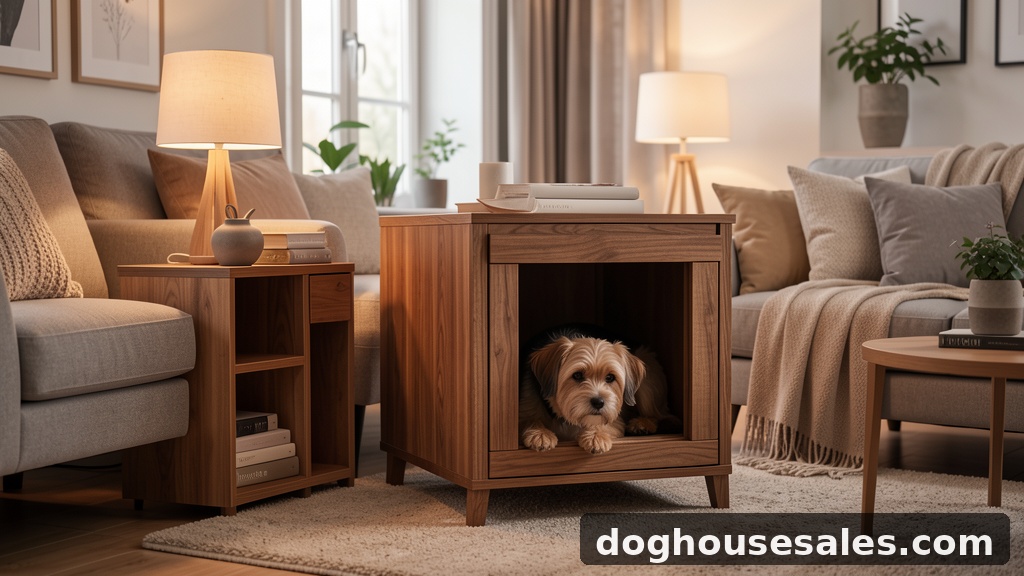
An indoor dog house is built for inside use. That means it’s more than a shelter — it should sit next to your furniture without looking out of place. A lot of modern indoor dog houses double as side tables, end tables, or decorative cabinets. They blend in.
What sets them apart from outdoor models:
- Size. They need to fit through doorways and into rooms. They can’t be as big as outdoor structures.
- Materials. Solid wood, engineered wood, and fabric all work indoors. Solid wood lasts longest but costs more. Fabric houses are lightweight and easy to move.
- No weatherproofing. Since they’re indoors, you don’t need a waterproof roof or insulated walls unless your home gets drafty.
- Style matters. A good indoor dog house looks like furniture. A bad one looks like a box with a hole cut in it.
Material Options for Indoor Dog Houses
Solid Wood
Solid wood is the gold standard. Pine, cedar, and oak are common. It’s durable, looks great, and you can paint or stain it to match your existing stuff. The downsides are weight and cost — solid wood is heavy and not cheap. If you’re leaning toward this material, check out our solid wood dog house collection for pieces that blend durability with style.
The upside: if your dog likes to chew, solid wood handles it way better than particle board.
Engineered Wood
Plywood, MDF, and particle board show up in budget-friendly indoor dog houses. They’re lighter and cheaper. With a good paint job or laminate finish they can still look nice. The catch is durability — MDF and particle board swell or chip if they get wet or take a beating from an enthusiastic dog.
Fabric and Soft-Sided
Soft houses made from canvas, microfiber, or plush materials are popular for small to medium dogs. They’re lightweight, easy to clean (many have removable, machine-washable covers), and usually the cheapest option. They won’t last as long as wood, but they’re great for travel or if you like rearranging your space often.
Size Guide: Getting the Right Fit
The most common mistake is buying one that’s too small. Dogs need to stand up, turn around, and lie down comfortably.
Quick size table:
| Dog Weight | Recommended Interior Space |
|---|---|
| Under 15 lbs | 18″ x 18″ x 15″ |
| 15-30 lbs | 24″ x 20″ x 20″ |
| 30-50 lbs | 30″ x 24″ x 24″ |
| 50-70 lbs | 36″ x 28″ x 28″ |
| 70-90 lbs | 42″ x 30″ x 30″ |
| 90+ lbs | 48″ x 32″ x 36″ |
Measure your dog from nose to tail and floor to top of head. Add 4-6 inches each way for comfort.
Style Options: Indoor Dog Houses That Look Like Furniture
The best indoor dog houses pull double duty as furniture. A few styles worth knowing:
Dog House Side Tables
A dog house that works as a side table might be the most practical setup. It sits next to your couch, your dog curls up inside, you put your coffee or lamp on top. Two problems, one piece.
Dog Crate Furniture
Crate-style indoor dog houses look like cabinets or consoles. They have a door or opening on the front with ventilation panels built into the design. Good if your dog is already crate trained.
Decorative Dog Houses
Some indoor dog houses look like miniature versions of real houses — pitched roofs, windows, porch details. They work well in family rooms or play areas but can look odd in a modern or minimalist space.
Where to Put Your Indoor Dog House
Location matters. Dogs are den animals — they want a spot that feels safe but not cut off from the action.
Good spots:
- A corner of the living room. Your dog can see and hear the family without being underfoot.
- Next to your bed. Some dogs sleep better knowing you’re nearby. A small indoor dog house in the bedroom gives them their own space without kicking them out.
- A quiet hallway or nook. If your dog gets anxious with lots of activity, a calmer spot away from foot traffic works well.
Avoid direct sunlight, drafty windows, and spots right next to loud appliances like washing machines or TVs.
How to Make an Indoor Dog House More Comfortable
Once you’ve got the right house, a few extras go a long way:
- A good bed or cushion. Most dog house floors are hard. A washable, supportive bed changes the game.
- Bedding for warmth. Even indoors, a fleece blanket or two lets your dog burrow and feel secure.
- Toys and chews. Familiar items inside encourage your dog to use the house willingly.
- A cover or curtain. Some dogs want extra privacy. A removable flap over the entrance helps nervous dogs settle in.
Top Picks for Indoor Dog Houses in 2026
Best Overall: Solid Wood Dog House with Side Table Top
Ticks every box. Solid wood, flat top that works as an end table, nice finish that blends with most furniture. Works for small to medium dogs, comes in several colors. Check the Piskyet Dog Crate Furniture End Table on Amazon for a great example of this style.
Best Budget: Fabric Indoor Dog House
Under $100, lightweight, portable, folds flat for storage. Available in several colors and patterns. The cover removes for washing. Best for dogs under 30 pounds. The Hovicaed Indoor Dog House Tent on Amazon is a solid budget pick.
Best for Large Dogs: Extra Large Wooden Indoor Dog House
Most indoor dog houses top out around 40-50 pounds. This one handles dogs up to 90 pounds while still looking like furniture. It’s heavy and takes two people to move, but worth it if you’ve got a big dog that deserves their own indoor space. The rehomerance 38 Inch Heavy Duty Dog Crate on Amazon fits large breeds well.
Best Decor Match: Dog Crate Furniture Cabinet
If you want the cleanest look, this is the one. Looks like a mid-century modern cabinet. The front has a sliding door that stays open when your dog is inside and closes to hide the crate completely. Engineered wood with a walnut finish. The Furlodge Dog Crate Furniture on Amazon is a strong option in this category.
Frequently Asked Questions
Can I use an outdoor dog house indoors?
You can, but they’re usually bulkier and less attractive indoors. They’re also built for weather resistance you don’t need inside.
Are indoor dog houses safe for puppies?
As long as the house is the right size and made from non-toxic materials. Skip houses with small parts a puppy could chew off and swallow.
Do indoor dog houses need ventilation?
Yes. Even indoors, airflow matters. Look for houses with vents, windows, or breathable materials.
How do I clean an indoor dog house?
Wood houses: wipe with a damp cloth and mild soap. Fabric houses: remove the cover and machine wash. Vacuum the inside regularly to keep hair and dander under control.
Will my dog actually use an indoor dog house?
Most will. Dogs are den animals. Make the space comfortable, put familiar bedding and toys inside, and they’ll gravitate to it naturally. Some take a few days to adjust — treats and praise help.
Final Thoughts
An indoor dog house makes life better for both of you. Your dog gets a secure, cozy space. You get a piece of furniture that doesn’t scream “pet store.” Match the size, material, and style to your needs.
Start with your dog’s size. Pick a material based on your budget and how much abuse the house will take. Then choose a style that works in your room. Do it right and an indoor dog house becomes a permanent part of your home — and your dog will love you for it.
